Residential Treatment
Palmetto’s Residential Treatment Program provides a structured, supportive environment where clients can step away from the distractions and pressures of daily life and focus fully on recovery.
For more than 30 years, Palmetto has offered residential addiction treatment on a private 70-acre campus in Rayville, Louisiana. Our program is grounded in a Therapeutic Community model, where clients learn through daily structure, peer support, clinical guidance, personal responsibility, and participation in a sober community.
Residential treatment gives clients time and space to begin building new patterns. Through group therapy, individual work, education, recovery-focused activities, medical and clinical support, and daily routine, clients are encouraged to develop the insight, accountability, and practical tools needed for long-term recovery.
Why Residential Treatment?
For many people, lasting recovery requires more than simply stopping substance use. Addiction often affects relationships, routines, decision-making, emotional regulation, physical health, family systems, and the way a person responds to stress.
Residential treatment allows clients to temporarily step away from familiar environments, pressures, and patterns that may contribute to continued substance use. In a structured setting, clients have the opportunity to focus on recovery while living in a community with others working toward similar goals.
Why Time Matters
Recovery is not a procedure that is completed in a single moment. It is a process of stabilization, insight, practice, and continued growth.
A shorter period of treatment may help someone begin the recovery process, but deeper change often requires more time. Clients struggling with long-standing addiction, co-occurring mental health concerns, family-of-origin issues, trauma, attachment difficulties, professional consequences, or repeated relapse may benefit from an extended period of structured care.
Palmetto’s residential model allows treatment recommendations to be shaped by each client’s needs, progress, and continuing care plan. Some clients may complete a shorter stay, while others may benefit from a 60- or 90-day treatment experience.
The First 30 Days: Stabilization and Foundation
The first phase of treatment is often focused on stabilization. Clients begin stepping away from active substance use, adjusting to the structure of the community, participating in clinical services, and beginning to understand the patterns that brought them to treatment.
During this time, our team works to assess medical, psychiatric, psychological, family, and recovery needs. Clients begin participating in groups, individual work, peer support, education, and daily routines designed to support early recovery.
The first 30 days may include:
- Stabilization and adjustment to the residential community
- Medical, psychiatric, clinical, and nursing support when appropriate
- Initial treatment planning and assessment
- Group therapy and individual counseling
- Addiction education and relapse prevention
- Introduction to therapeutic community expectations
- Early family communication and planning when appropriate
The Second 30 Days: Insight and Practice
As clients become more stable, treatment often moves into deeper clinical and personal work. This phase may include greater attention to emotional patterns, family dynamics, trauma, grief, shame, professional stressors, relationship concerns, and relapse warning signs.
Clients continue practicing accountability, communication, peer support, and healthy daily routines within the therapeutic community. The goal is not only to understand recovery concepts, but to begin applying them in daily life.
The second 30 days may include:
- Deeper individual and group therapy work
- Increased insight into relapse patterns and emotional triggers
- Continued work on family, relationship, and professional concerns
- Practice with accountability, communication, and boundaries
- Trauma-informed support and EMDR when clinically appropriate
- Refinement of treatment goals and continuing care needs
The Third 30 Days: Integration and Continuing Care
The final phase of a 90-day treatment experience often focuses on integration and preparation for life after residential care. Clients work on applying what they have learned, strengthening recovery habits, and developing a realistic plan for returning home or stepping down to another level of care.
This phase is especially important because treatment is not a “one and done” event. Residential care can help clients build a foundation, but long-term recovery depends on continuing to use those tools after discharge.
The third 30 days may include:
- Strengthening relapse prevention and recovery planning
- Finalizing continuing care recommendations
- Coordination with outpatient providers, IOP programs, monitoring agencies, or recovery supports when appropriate
- Family involvement and discharge planning
- Practice with personal responsibility and daily structure
- Preparing for the transition back to work, family, school, or professional obligations
Why a 90-Day Model Can Help
Many clients benefit from a longer treatment experience because meaningful change takes time. A 90-day model gives clients the opportunity to move beyond crisis stabilization and begin practicing recovery in a structured community over a more sustained period.
For clients with complex addiction histories, co-occurring mental health concerns, trauma, family-of-origin issues, attachment difficulties, professional consequences, or repeated relapse, additional time in treatment can allow for more thorough assessment, deeper clinical work, stronger peer connection, and more complete continuing care planning.
A 90-day stay does not “cure” addiction. Recovery must continue after discharge through outpatient care, recovery meetings, therapy, monitoring requirements when applicable, family support, alumni connection, and daily commitment. Residential treatment is the beginning of a healthier way of living, not the end of the work.
Learning New Patterns in Community
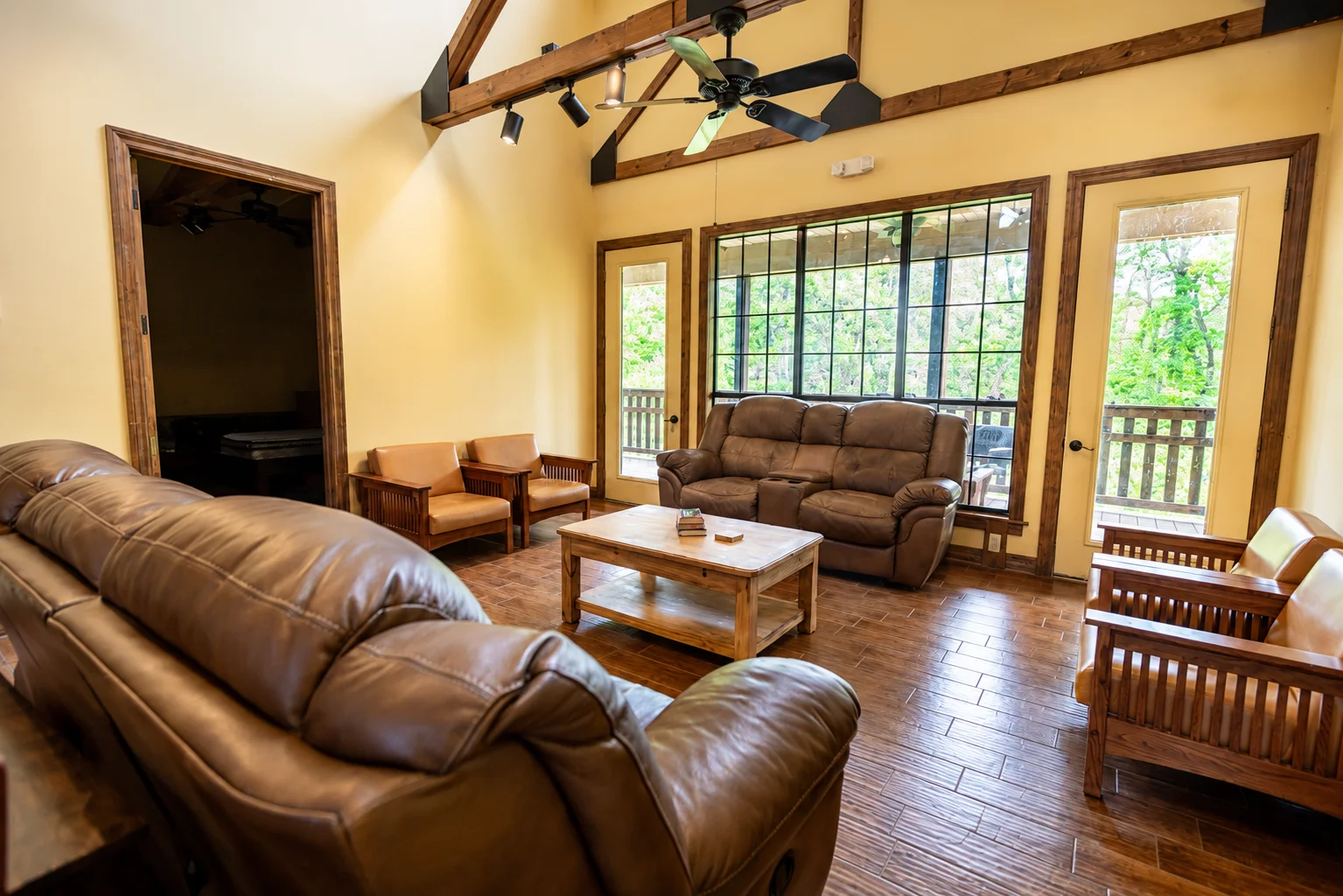
Palmetto’s campus and community are designed to help clients practice recovery in daily life. With guidance from counselors and staff, residents learn to communicate more honestly, solve problems, accept feedback, build trust, and take responsibility for their actions.
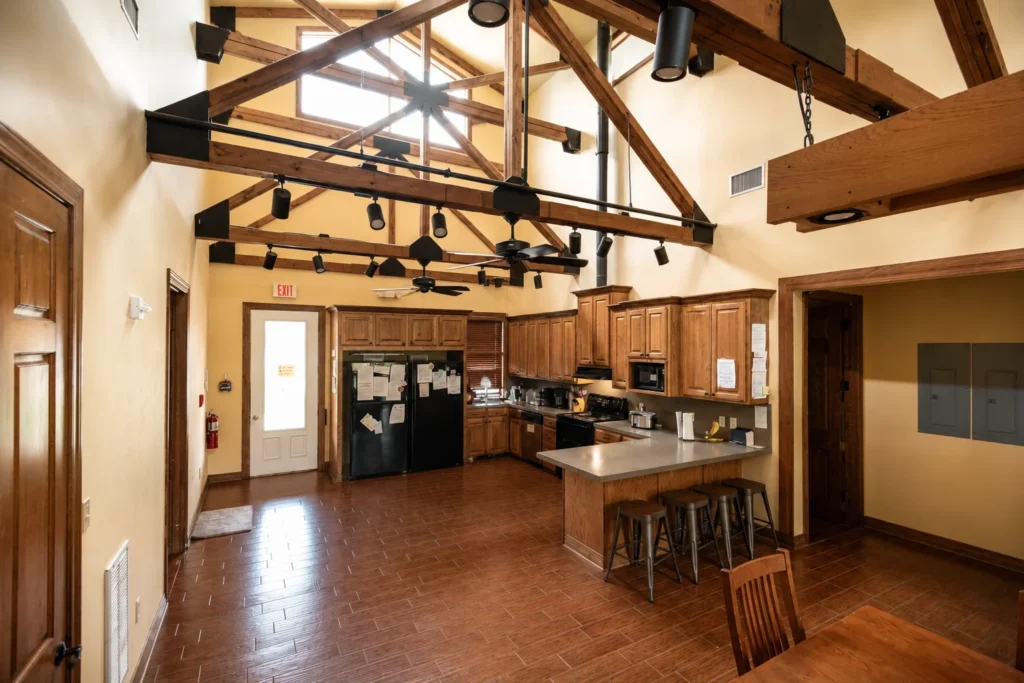
The Therapeutic Community model emphasizes that recovery is not learned only in a classroom or counseling session. It is practiced throughout the day — in groups, meals, recreation, chores, peer interactions, family work, and moments of personal reflection.
Residential Treatment at Palmetto May Include
- A structured daily schedule focused on recovery
- Individual and group counseling
- Therapeutic Community participation
- Addiction education and relapse prevention
- Medical, psychiatric, clinical, and nursing support when appropriate
- Family involvement and family counseling opportunities
- Recreation, wellness, and healthy daily living
- Peer support and accountability
- Continuing care and discharge planning
A Setting Built for Recovery
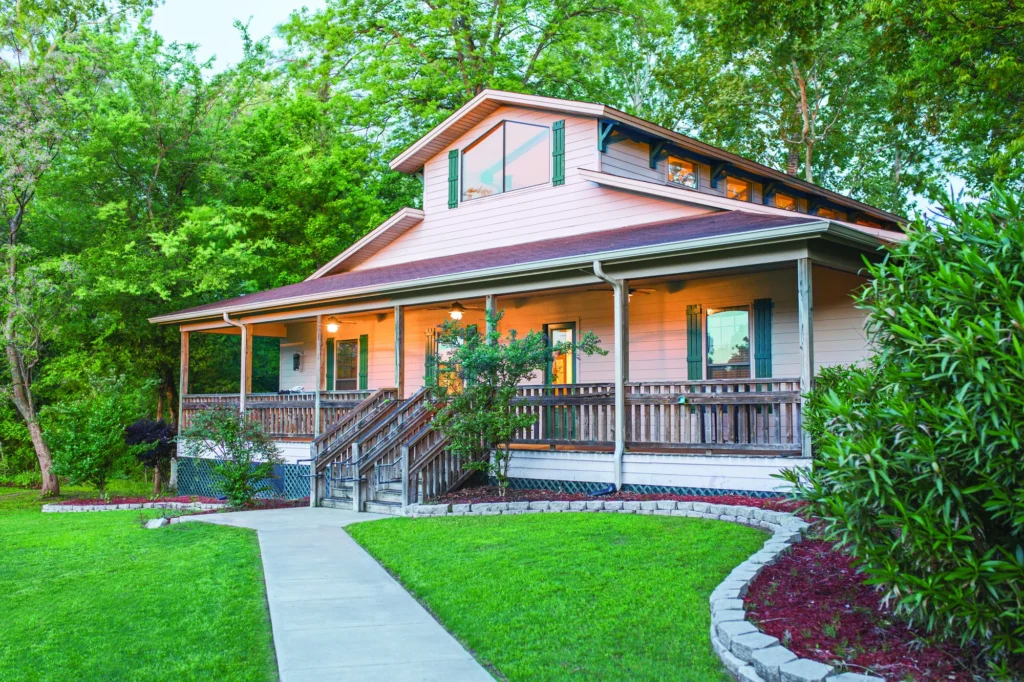
Palmetto’s private campus provides space for treatment, reflection, recreation, and community. Located along Bayou Lafourche, the campus offers a peaceful setting away from everyday distractions while maintaining the structure and support needed for serious recovery work.
The goal is not simply to remove someone from substance use for a period of time. The goal is to help clients begin building a healthier way of living — one rooted in honesty, responsibility, connection, and continued support.
Our Process
Step 1
Reach Out
The first step is a conversation. You do not have to know exactly what you need before you call. Tell us what is going on, what concerns you have, and what questions need to be answered. Not ready to call, just submit an application.
Step 2
Talk Through the Situation
Our admissions team will listen and help gather the information needed to understand the situation. This may include substance use concerns, medical or detox needs, mental health history, previous treatment, family or professional concerns, insurance benefits, and timing.
Step 3
Determine the Next Step
Palmetto does not believe every person needs the same path. Depending on the situation, the next step may include medical detox, residential treatment, a 1-day or 3-day evaluation, or another level of care. If Palmetto is not the appropriate fit, we will help you understand that as clearly as we can.
FAQs
How long is residential treatment at Palmetto?
Length of stay depends on each client’s clinical needs, progress, treatment plan, and continuing care recommendations. Some clients may participate in a 30-, 60-, or 90-day treatment stay, while others may need a different length of care based on their individual circumstances.
Why does Palmetto offer a 90-day treatment model?
Many clients benefit from additional time in a structured treatment environment. A 90-day model can allow for stabilization, deeper clinical work, stronger peer connection, family involvement, relapse prevention planning, and more complete preparation for life after treatment. A 90-day stay does not “cure” addiction, but it can help clients build a stronger foundation for ongoing recovery.
Is 30 days enough treatment?
For some clients, 30 days may be an appropriate start or treatment episode. For others, especially those with long-standing addiction, repeated relapse, trauma, co-occurring mental health concerns, professional consequences, or complex family dynamics, more time may be recommended. Palmetto’s team works with each client to determine what length of care is clinically appropriate.
What happens during the first 30 days?
The first 30 days often focus on stabilization, adjustment to the residential community, clinical assessment, addiction education, group participation, individual counseling, and beginning to understand the patterns that led to treatment. This phase helps establish the foundation for deeper recovery work.
What happens after the first 30 days?
As clients become more stable, treatment can move into deeper clinical and personal work. This may include identifying relapse patterns, addressing emotional triggers, improving communication, working through family or professional concerns, and practicing accountability within the therapeutic community.
What is a Therapeutic Community model?
A Therapeutic Community model uses the treatment environment itself as part of the recovery process. Clients learn not only through counseling and groups, but also through daily routines, peer feedback, personal responsibility, community expectations, recreation, chores, meals, and relationships with others in recovery.
Does residential treatment include medical or psychiatric support?
Yes, when appropriate. Clients may receive support from medical, psychiatric, clinical, and nursing staff as part of their treatment experience. The level of support depends on each client’s needs and treatment plan.
Does Palmetto treat co-occurring mental health concerns?
Palmetto works with clients who may have co-occurring mental health concerns along with substance use issues. Treatment may include psychiatric evaluation, medication management when appropriate, individual counseling, group therapy, psychological services, trauma-informed support, and continuing care recommendations.
Is family involved in residential treatment?
Family involvement may be part of treatment when clinically appropriate and authorized by the client. This may include family communication, family counseling opportunities, education, and discharge or continuing care planning.
What happens after residential treatment?
Before discharge, Palmetto works with each client to develop continuing care recommendations. This may include outpatient counseling, intensive outpatient programming, recovery meetings, psychiatric care, monitoring requirements when applicable, family support, alumni connection, or other recovery resources.
Can clients come from out of state?
Yes. Palmetto works with clients and referral sources from across the country. When appropriate and authorized, our team can help coordinate with families, professionals, licensing boards, monitoring programs, employers, attorneys, and continuing care providers.
Is residential treatment a cure for addiction?
No. Residential treatment is not a one-time cure. It is a structured opportunity to stabilize, begin deeper recovery work, build new habits, and prepare for life after treatment. Long-term recovery depends on continuing to use those tools after discharge and following an appropriate continuing care plan.
Don’t See Your Question? Contact Us Below.
All submissions will remain confidential.